



Early talent hiring is messy by default.
Long timelines. Fragmented communication. Candidates who accept offers and then disappear months later. Most teams patch it together with spreadsheets, manual follow-ups, and disconnected systems.
ABB was no exception.
As a global leader in electrification and automation, ABB runs early talent programs across regions, each with different needs, timelines, and candidate experiences. The complexity adds up quickly.
But over the past year, they made a shift that changed how their programs operate and how candidates engage.
The result: a drop in reneged offers from 15% to 5%.
The challenge: global scale with local complexity
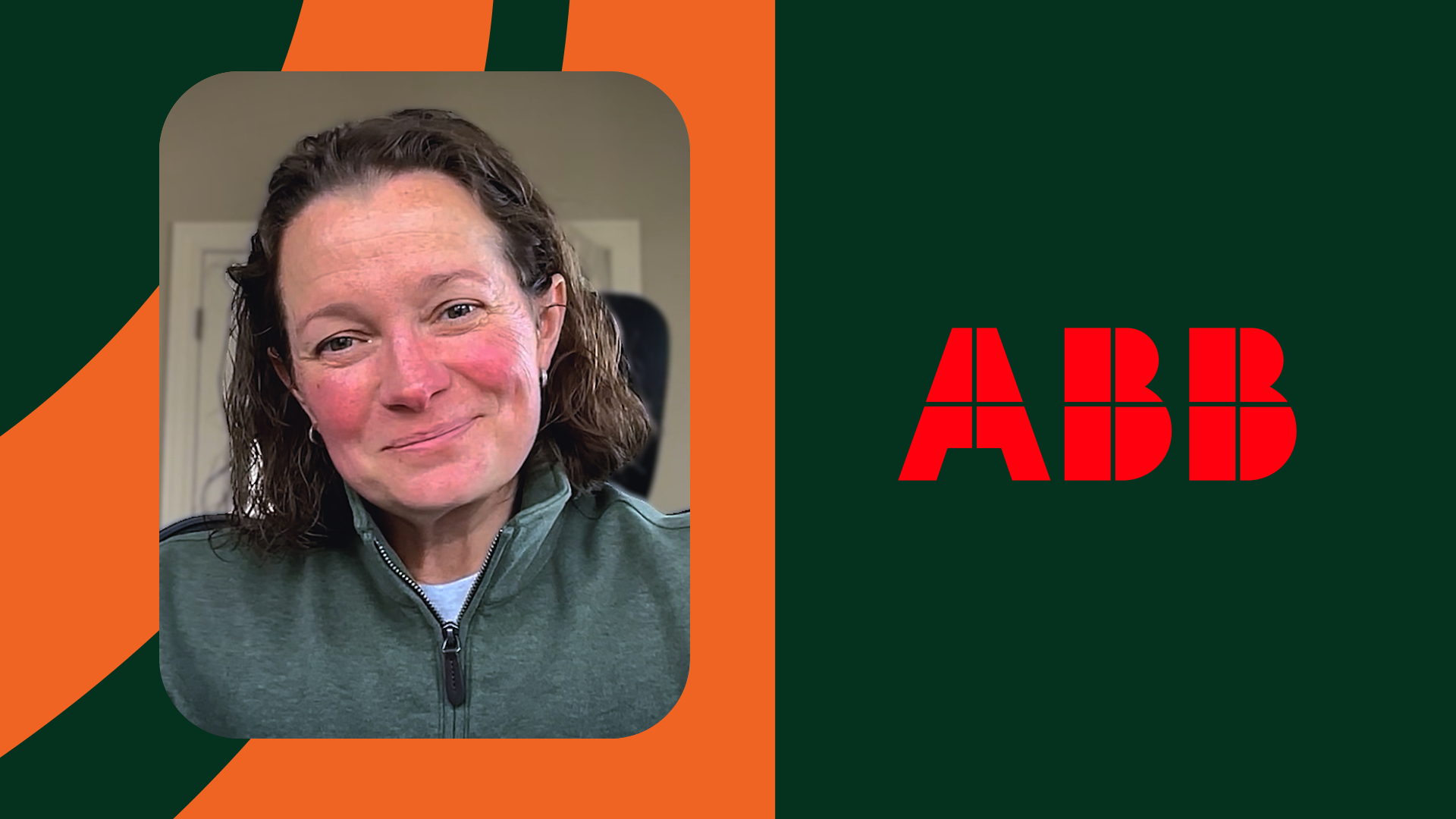
Nicole Furnia, Global Director of Early Talent at ABB, described the core problem clearly.
Their programs were global, but execution was fragmented.
Each region and discovery program had its own nuances. That meant different communication needs, timelines, and candidate journeys. Without a centralized system, program managers were left to manage everything manually.
That created three key issues:
1. No clear view of the candidate journey
Teams struggled to answer a basic question: where is this candidate in the process, and what should we send them next?
2. Heavy reliance on manual tracking
Spreadsheets and ad hoc systems made it difficult to stay organized, especially across long timelines between offer and start date.
3. Limited pre-boarding communication
Even with Workday in place, ABB lacked a way to engage candidates before they officially became employees.
For early talent, that gap matters. Months can pass between accepting an offer and starting the job. Without engagement, candidates drift.
The shift: from fragmented workflows to one centralized experience
ABB implemented Abode to bring structure and flexibility into their early talent programs.
Two things stood out immediately.
Flexibility at a global level
Instead of forcing a single rigid process, ABB could design different communities and experiences based on each program’s needs. Global consistency, local customization.
A single source of truth
Program managers moved away from spreadsheets and into one platform where they could track candidates, manage communication, and understand engagement in real time.
This was not just an operational upgrade. It changed how teams worked day to day.
What changed for candidates
The biggest unlock was not just internal efficiency. It was candidate experience.
Consistent, proactive communication
ABB could now stay in touch with candidates throughout the entire pre-boarding period, not just after they became employees.
Peer connection before day one
Candidates were able to interact with each other ahead of their start date. For early talent, this creates a sense of belonging early and reduces uncertainty.
A more polished and professional experience
Across regions, programs started to feel more consistent, organized, and intentional.
As Nicole put it, teams consistently described their programs with two words: efficiency and effectiveness.
The impact: a 3x reduction in reneges
Before implementing Abode, ABB saw around 15% of early talent candidates renege on their offers.
After implementation, that number dropped to roughly 5%.
That is not a small improvement. It is a fundamental shift in outcomes.
And it points to something important:
Reneges are often not about compensation or brand. They are about engagement.
When candidates feel connected, informed, and part of something before they start, they are far more likely to follow through.
The takeaway
Most early talent teams accept complexity as a given.
Global programs will always be complex. Long timelines are unavoidable. Systems will never be perfect.
But the way you manage that complexity is a choice.
ABB moved from reactive, manual workflows to a structured, flexible system that supports both teams and candidates.
The result was not just better operations. It was better outcomes.
Fewer reneges. Stronger engagement. A more scalable foundation for global hiring.


